
For startup footwear brands and Amazon sellers, minimum order quantity is the first number that matters. A traditional China shoe factory might quote 1,000 or 3,000 pairs per style, which can mean USD 15,000-40,000 committed before a single pair is sold. A low MOQ shoe factory in China that accepts orders from 300 pairs changes the math completely — but small batches work differently from bulk, and buyers who understand why MOQs exist get far better pricing, quality and lead times than those who simply demand "the lowest possible MOQ."
What MOQ Means in Footwear Manufacturing
MOQ, or minimum order quantity, is the smallest number of pairs a factory will accept for one production order. In footwear the MOQ is usually quoted per style, sometimes per colorway or per material. A quote of "300 pairs per style, two colorways allowed" means you can split the 300 pairs across two colors — for example 150 black and 150 white — but you cannot order 300 pairs across ten different styles, because each style requires its own patterns, cutting plan and line setup.
Distinguish MOQ from two related thresholds. The material MOQ comes from leather tanneries, mesh knitters and sole makers; the production MOQ comes from the factory's line economics. A factory may accept your 300-pair order while your chosen leather supplier only sells half a hide batch, which is why low MOQ programs usually steer buyers toward materials already in stock.
Why MOQs Exist: Materials, Molds and Line Economics
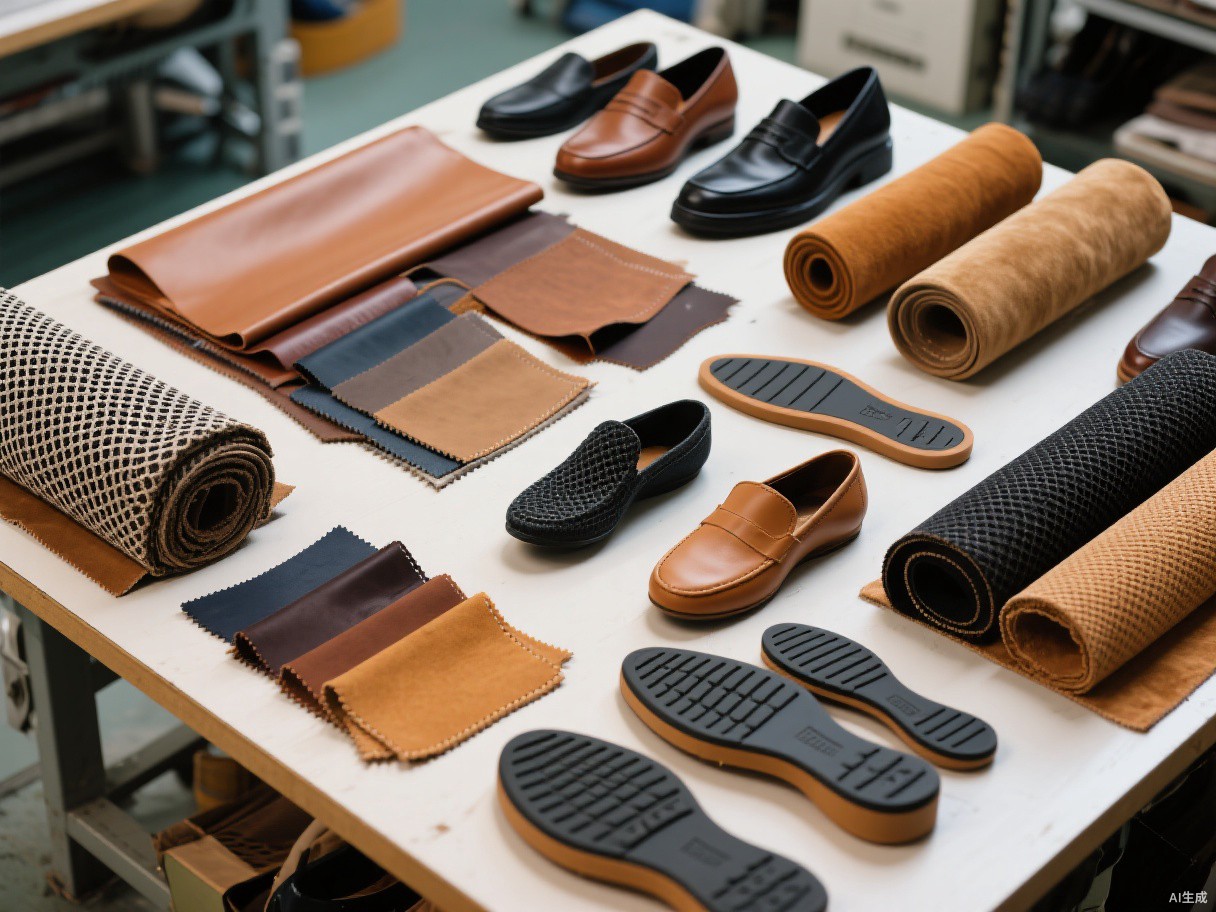
Three forces set the floor under every footwear order. The first is material minimums. Leather is sold by the hide or square foot, knitted mesh is dyed in full rolls or yarn batches, eyelets and aglets come in bags of thousands, and custom shoe boxes print in runs of 1,000-2,000 pieces. Below the supplier minimum, the leftover material becomes waste the factory must price into your order.
The second is tooling. A new outsole mold or custom last costs hundreds to thousands of dollars regardless of whether it produces 100 or 100,000 pairs; the mold cost per pair is ten times higher on a small run. The third is production setup. Every style changeover means pattern cutting, die adjustment, stitching line reorganization, lasting machine settings, sole-cement activation and operator training. A line may need 1-2 days to run in; that fixed setup cost is spread across far fewer pairs on a 300-pair order. None of these floors is arbitrary — they are written into the supply chain.
How a 300-Pair Order Actually Runs
A low MOQ order of 300 pairs is feasible when the design works with existing tooling and stocked materials. The typical structure is: one upper style on an existing last and outsole, two or three colorways using in-stock leathers or meshes, standard sizes with a pre-agreed size ratio (for example EU 39-46 split), and standard packaging with your private label woven labels and hang tags. Custom elements are concentrated where they cost least — color blocking, laces, logos and box printing.
The factory schedules the order into a gap between larger runs, which is why low MOQ slots depend on production planning. Material is pulled from stock, uppers are cut and stitched in one batch, and lasting runs as a short block on the assembly line. The result is genuine custom, branded footwear — not a generic stock pair — built around shared tooling rather than bespoke molds.
The Real Cost Difference: Small Batch vs Bulk
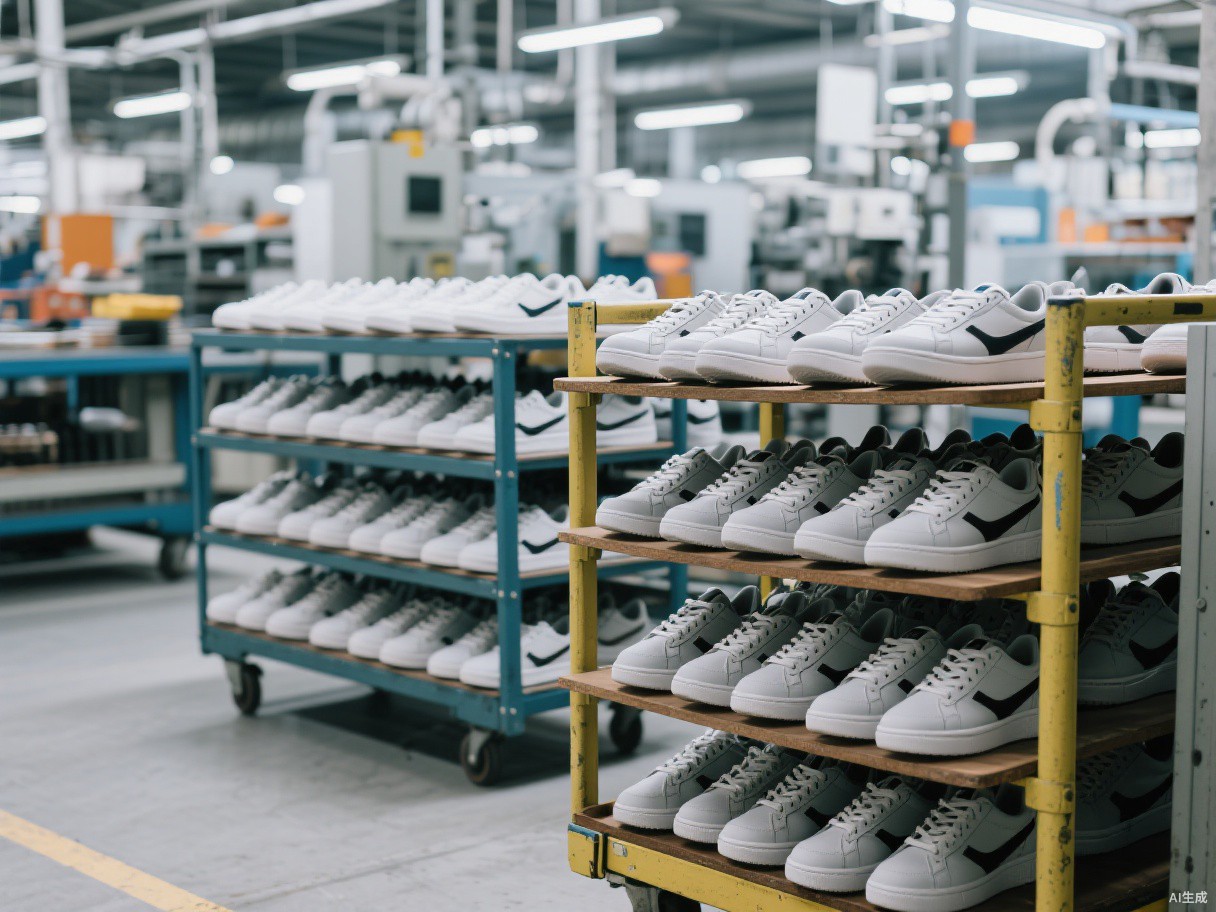
Expect a low MOQ pair to cost more than the same shoe at 5,000 pairs, often 15-35% more. The increase comes from three places: material purchased in uneconomic cuts, setup labor spread across fewer pairs, and handling overhead — a 300-pair order generates nearly as much documentation, QC and communication as a 3,000-pair order. Mold and sample fees, if any new tooling is required, also weigh heavily at small volume.
Do not chase the cheapest low MOQ quote. Suspiciously cheap small-batch prices usually hide one of three compromises: inferior substituted materials, relaxed QC because the order is treated as a nuisance, or a workshop that outsources stitching and assembly to unknown satellite shops. Compare quotes on a complete landed cost basis — freight, duties, packaging, inspections — and remember that one rejected 300-pair shipment costs a startup more than a slightly higher unit price.
Six Techniques to Lower Your MOQ Without Lowering Quality
- Use existing lasts and outsoles. Reusing the factory's proven sole units removes the biggest fixed cost and the most common MOQ driver. Customize the upper instead.
- Choose stocked materials and standard colors. Ask for the factory's in-stock leather, mesh and lace swatch books; stocked materials bypass tannery and dyeing minimums entirely.
- Reduce colorway count. One style in two colors hits 300 pairs comfortably; five colors at 60 pairs each creates five cutting and stitching changeovers and invites leftovers.
- Simplify construction and decoration. Fewer panels, standard eyelets, printed or woven logos instead of molded TPU pieces, and stock sock liners all reduce both price and minimum waste.
- Share or defer custom tooling. Ask whether mold cost can be amortized, deducted against a future bulk order, or developed only after the small batch proves demand.
- Consolidate packaging. Use a stock shoe box with a printed sticker or label rather than a fully custom printed box, which typically carries its own 1,000-piece minimum.
Lead Times and Scheduling for Small Batches
Smaller is not automatically faster. Sampling still takes 7-15 days, because sample making is hand work regardless of final quantity. Once the pre-production sample is approved and the deposit lands, a 300-1,000 pair order generally finishes in 25-35 days — similar to bulk — because the factory fits it into the production schedule rather than stopping larger orders. During peak season (September-November and March-May), low MOQ slots fill first, so confirm the calendar in writing.
Build your launch timeline backwards from the sell date: two weeks for design and quoting, two to three weeks for sampling and revisions, one week for pre-production confirmation, four to five weeks for production, and two to five weeks for sea freight. A realistic first launch takes 10-14 weeks from kickoff to warehouse, or about half that with express or air freight for the trial batch.
Risks of Low MOQ Orders and How to Manage Them
The main risks are material substitution, color inconsistency across small lots, fit drift without a sealed sample, and delivery slipping behind larger customers. Manage all four the same professional way: approve a physical pre-production sample that is tagged and sealed, list every material with article numbers on the pro forma invoice, limit the first order to colorways cut from the same material batch, and agree the exact shipping date with a written late-delivery clause.
Cash-flow risk deserves equal attention. Even at 300 pairs, total exposure includes sample fees, deposit, balance, freight, duties and inspection costs. A third-party final inspection on a small order is inexpensive relative to the shipment value and catches problems before balance payment. And because low MOQ exists to test demand, keep styles focused — two strong colorways outsell five weak ones and leave capital for the reorder that actually matters.
From Trial Batch to Bulk Reorder
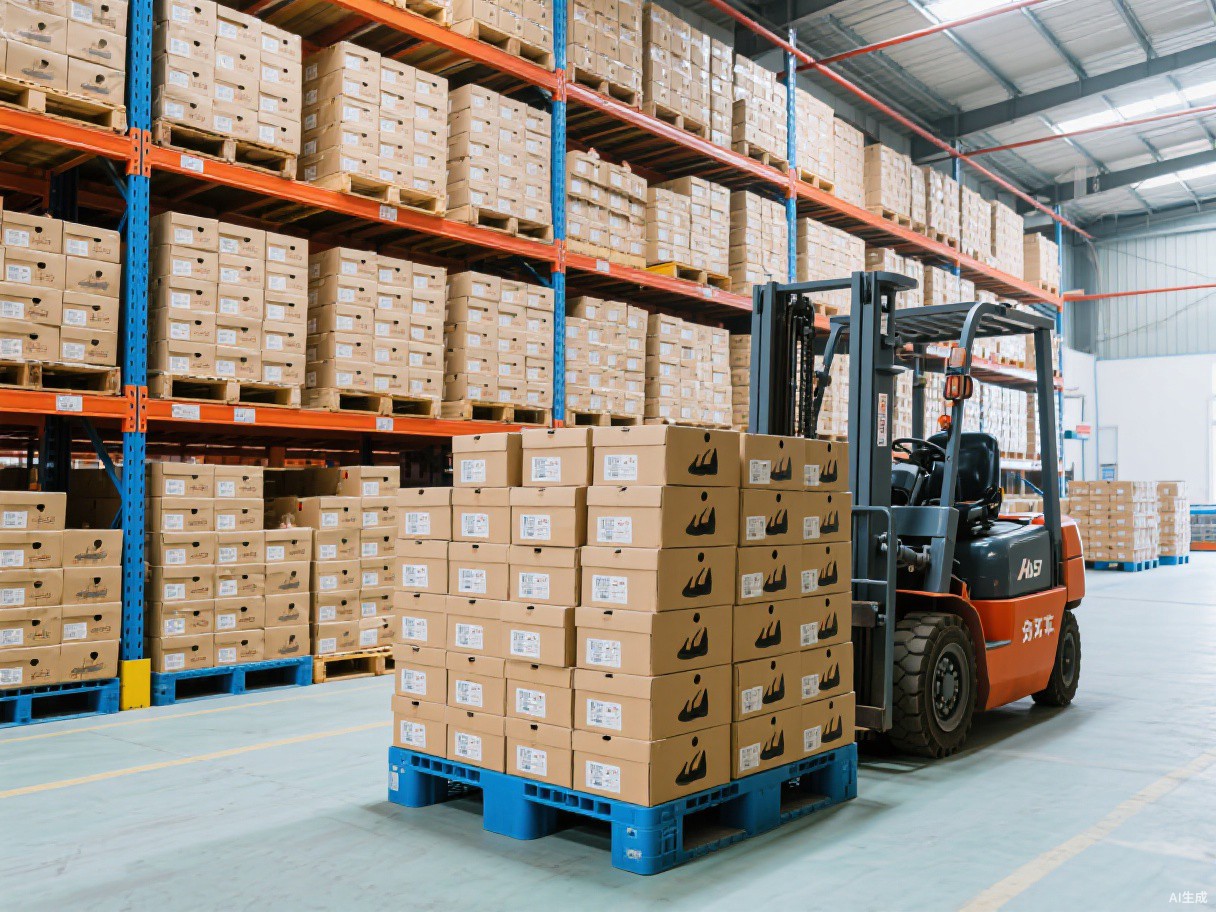
Treat the 300-pair order as a paid market test. Track sell-through by colorway and size, collect fit and wear feedback, photograph the product in market use, and reorder within four to six weeks while the factory still holds your patterns, sealed sample and material references. Reorders run faster, qualify for lower pricing at 1,000 pairs or more, and are the moment to add the custom box, the third colorway or the proprietary outsole mold.
That progression — shared tooling and stocked materials at launch, then exclusive details and custom molds once demand is proven — is exactly how successful brands grow with a low MOQ shoe factory China partner. The factory's job is to make the first order possible; your job is to make the second order inevitable.
Launch with 300 Pairs, Reorder with Confidence
Our low MOQ program supports 300 pairs per style, 2-3 colorways, private label packaging and 7-15 day samples. Ask us which lasts, soles and materials are in stock for the fastest start.
Get a Quote