
Starting a shoe brand used to require factory connections, large capital and trade-show credibility. Today a founder with a clear position, a good tech pack and the right China shoe factory can launch a private label line with 300 pairs and grow from cash flow. What has not changed is the discipline footwear demands: fit failures return as chargebacks, compliance failures stop shipments at customs, and timing failures kill launches. This ten-step guide follows the order successful brands actually use when working with an OEM shoe manufacturer in China.
Step 1: Define Your Brand Positioning
Positioning decides every decision that follows, so write it down before sketching a single shoe. Define your target customer, price band, distribution channel and the one reason a buyer chooses you over the hundred brands on Amazon. A defensible position usually combines a specific audience with a specific benefit: wide-fit leather comfort shoes for office workers, recycled-material lifestyle sneakers for conscious consumers, or ASTM-certified safety shoes for independent contractors.
Validate the position with numbers: check search volume, competitor pricing and review counts in your niche, and speak directly to 20-30 potential customers. Brands fail more often from vague positioning — "nice sneakers for everyone" — than from production problems. A sharp position also tells the factory exactly which materials, construction and certifications your product needs.
Step 2: Choose Your Footwear Category
Resist launching a full collection. Pick one category where your positioning gives you an edge and where a capable factory can deliver consistent quality at low MOQ. Sneakers and canvas shoes are forgiving for startups because tooling options are abundant and material supply chains are deep; leather shoes reward craftsmanship but demand stricter QC; safety shoes and kids shoes carry heavier compliance burdens; boots and slippers occupy their own seasonal rhythms.
Study the category's size runs, last shapes and return-rate drivers. Footwear is fit-sensitive, and each category has its own sizing conventions — EU, UK, US men's and women's lasts differ. Choose a category you can describe technically, because your first conversation with a factory will cover sole type, upper construction and closure method within the first five emails.
Step 3: Develop Designs and a Tech Pack
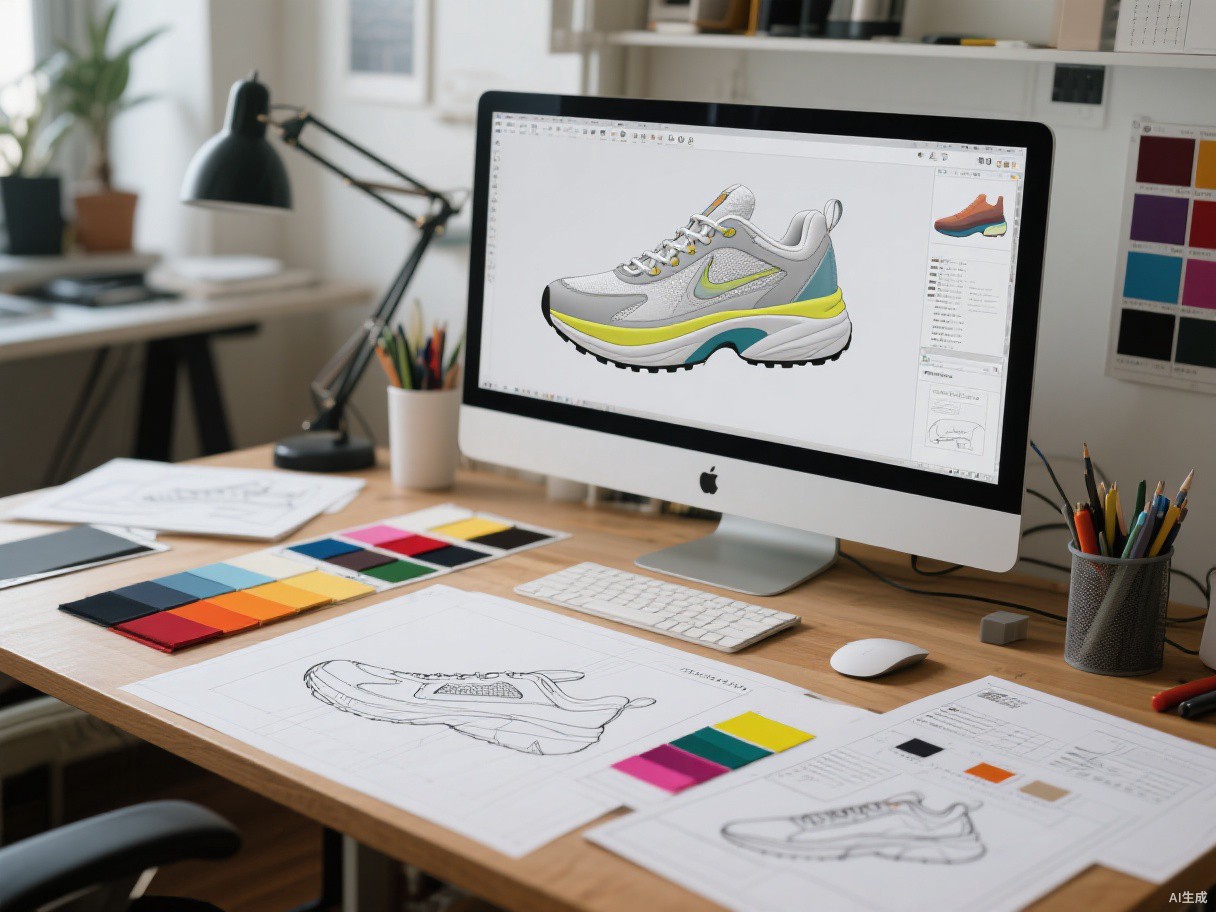
A tech pack is the instruction manual for your shoe and the basis of every accurate quotation. It should include profile and side-view sketches or CAD renderings, a full bill of materials (upper, lining, laces, eyelets, insole, midsole, outsole, adhesives), Pantone color references, logo placements and artwork files, size range and size grading, packaging specifications and reference samples where possible. Annotate stitching, perforation and material edges so nothing is left to interpretation.
If you are not a designer, hire a freelance footwear designer or ask an ODM-capable factory to adapt a proven model with your color blocking and branding — a common and cost-effective first step. Either way, control your logo files and trademark from day one, and number each version of the tech pack so revisions never get confused on the factory floor.
Step 4: Select the Right China Shoe Factory
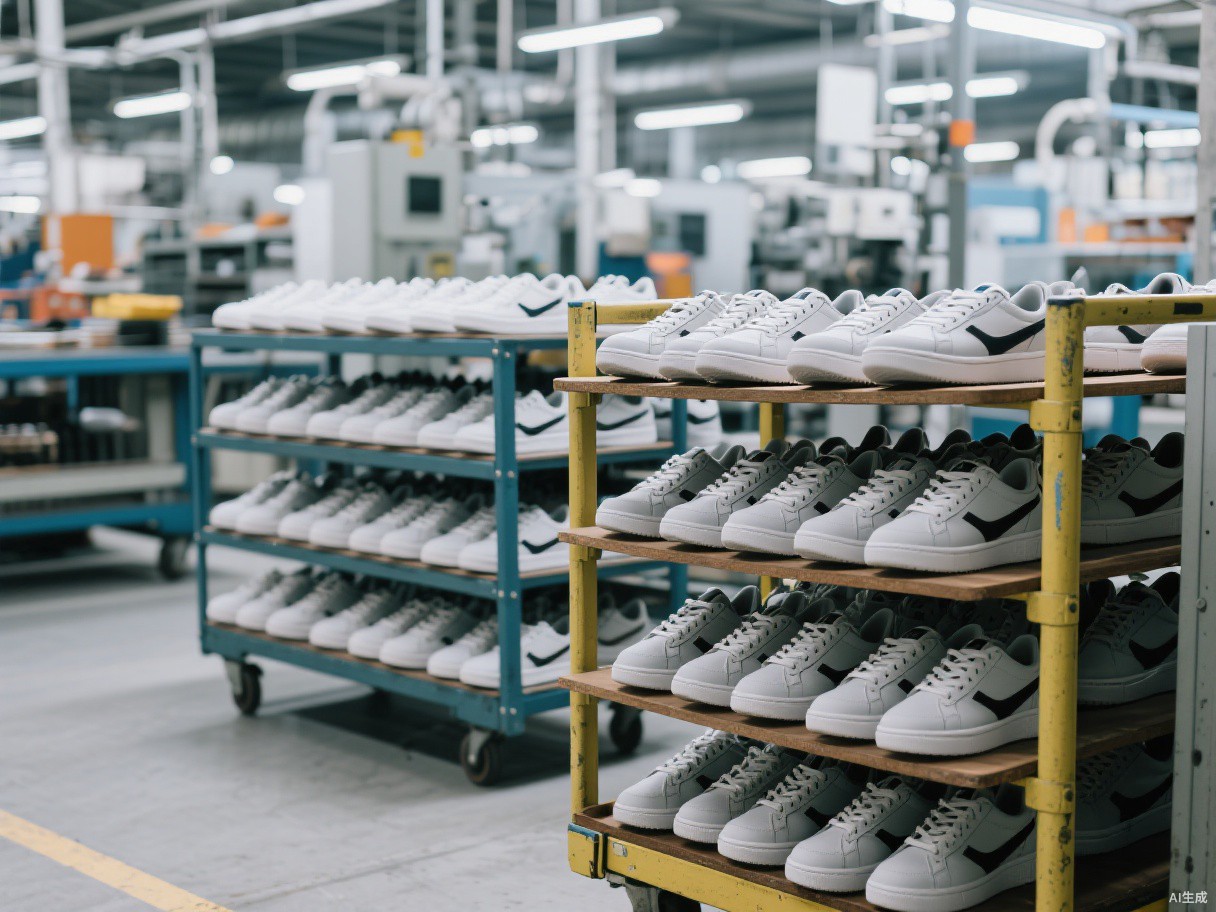
Shortlist three to five factories that already produce your category and openly support low MOQ orders. Compare them on more than price: verify the business license, take a live video factory tour, evaluate production lines and in-house capabilities (last and mold making, stitching, assembly, QC), confirm export experience to your market, and test English communication speed. A factory with BSCI, ISO 9001 and SEDEX credentials signals systems that protect you at retail and audit time.
Ask each factory the same detailed questions — MOQ per style and colorway, sample fees and timing, tooling ownership, material options, bulk lead time, payment terms and shipping terms — and compare answers in a spreadsheet. The goal is not the cheapest quote but the partner most likely to deliver the approved sample at scale. Our separate factory audit guide lists all eight verification checkpoints in detail.
Step 5: Sample, Fit-Test and Approve
Sampling is where your brand becomes physical. First samples typically take 7-15 days and cost USD 50-150 per pair, usually deductible from the bulk order. Evaluate each round against a written checklist: last shape and fit across the size range, material hand feel and smell, stitching symmetry, sole bonding, weight and flexibility, laces and hardware, and logo color accuracy. Have several people who match your target customer try the shoes on and walk in them.
Expect two to three revision rounds. Consolidate all comments into one annotated document per round to avoid endless back-and-forth. Never start bulk until you hold and approve a sealed pre-production sample — the physical reference against which the entire production run will be inspected. This single discipline prevents the most common dispute in footwear manufacturing: "the bulk does not match the sample."
Step 6: Handle Compliance and Certification
Compliance is non-negotiable and market-specific. For the US market, kids shoes fall under CPSIA and require a Children's Product Certificate backed by third-party testing for lead, phthalates and small parts; adult safety footwear commonly needs ASTM F2413 testing; the EU market expects REACH restrictions on chemicals, plus CE marking where applicable. Ask the factory for existing test reports and confirm whether the reports cover the exact materials in your shoe.
Retail buyers may additionally require social compliance audits such as BSCI or SEDEX, while Amazon may request test reports at listing time or during a complaint. Budget USD 300-1,500 for testing on a first launch, keep every certificate and report on file, and put material and labeling requirements — including permanent country-of-origin marking — into the purchase order rather than trusting them to memory.
Step 7: Place a Small Batch Trial Order
A first order of 300 pairs per style, split across two or three colorways, is the standard low-risk launch with a low MOQ shoe factory in China. Limit the size run to your best-selling sizes, use stocked materials and an existing sole unit, and keep packaging simple but branded. The trial order tests three things at once: the factory's bulk execution, real customer demand by color and size, and your own fulfillment operation.
Protect the order professionally: 30% deposit and 70% against the bill of lading copy, a detailed pro forma invoice, an agreed AQL inspection standard, and a third-party final inspection before the balance payment. Confirm the shipping date in writing with a late-delivery clause, because a launch that misses its marketing window loses momentum that no discount recovers.
Step 8: Build Branding and Packaging
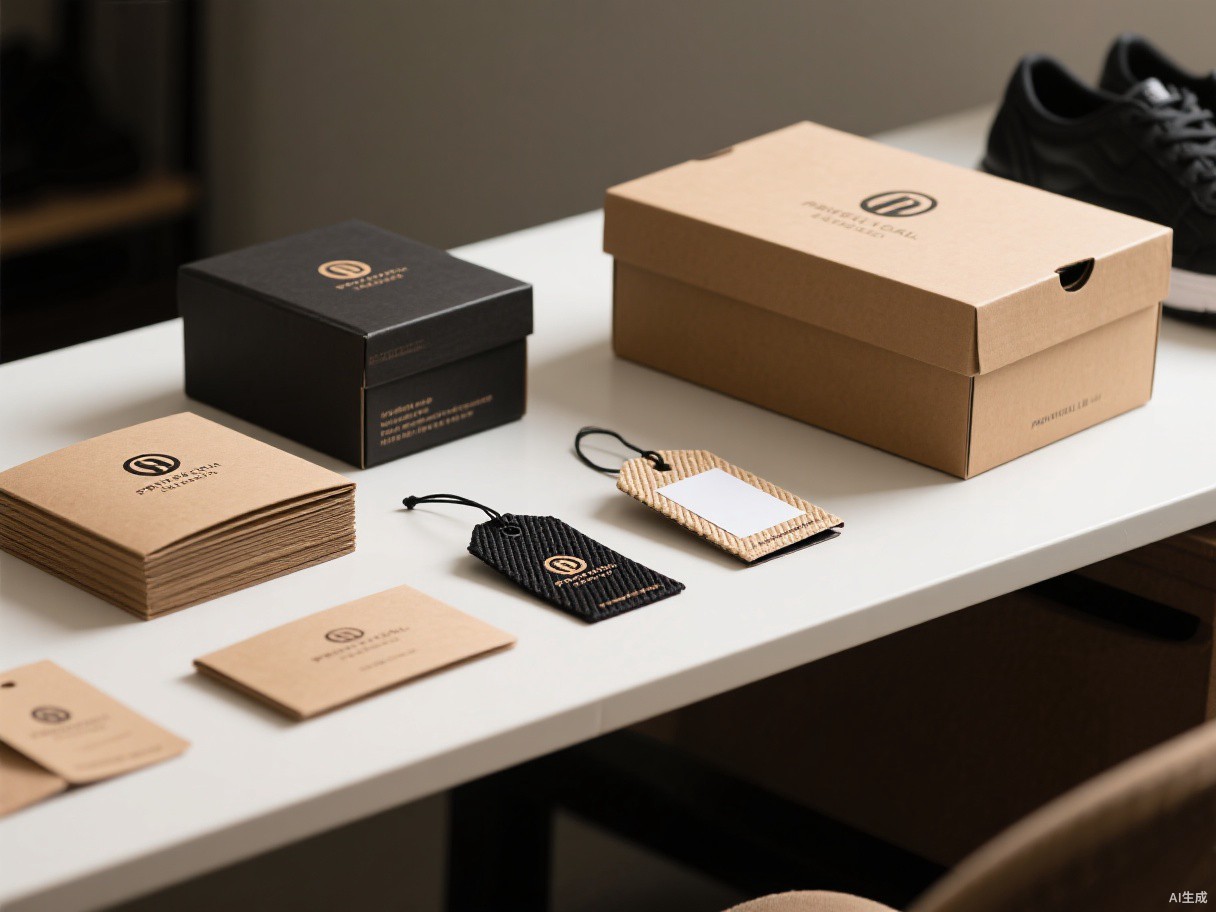
Packaging is where a product becomes a brand and where unboxing content is made. A private label program can include woven tongue labels, printed heel logos, embossed or debossed emblems, sock-liner printing, hang tags, poly bags with suffocation warnings, tissue paper, dust bags, shoe boxes and outer cartons. At small MOQ, use a stock box with a printed sleeve or sticker; custom-printed boxes usually carry a 1,000-piece minimum and are added at reorder stage.
Prepare brand assets early: trademark registration in your main markets, vector logo files, a simple brand style guide and barcode or FNSKU setup if you sell online. Consistent labels, box design and insert cards cost little but lift perceived value significantly, supporting the price premium your positioning requires.
Step 9: Set Up Fulfillment and Sales Channels
Decide fulfillment before the goods finish production, because carton marks, labeling and Incoterms depend on it. Direct-to-consumer brands ship to a home market 3PL that provides warehousing, pick-and-pack and returns; Amazon sellers send cartons directly to FBA with FNSKU labels and Amazon carton specifications; wholesale brands ship bulk to retailers or use a domestic warehouse to split deliveries. Your factory can support all three with different labeling and packing lists.
Choose channels that match the positioning: a focused Shopify store with paid social and creator seeding suits niche brands; Amazon FBA delivers search-driven volume but demands tight compliance and review strategy; boutiques and local retailers give feedback and credibility. Most healthy startups run one primary channel plus one secondary channel rather than spreading inventory and attention across five marketplaces.
Step 10: Drive Repurchase and Plan Reorders
The trial order proves the product; the reorder builds the business. Track sell-through by SKU, size and color, collect post-purchase feedback within two weeks of delivery, and watch return reasons closely — fit complaints in particular must feed back into the last before reordering. Place the first reorder while stock covers 30-45 days of sales, because sampling-free reorders still take 25-35 days of production plus freight.
Reorders are when margins improve: volumes rise to 1,000 pairs and above, unit prices drop, custom packaging and exclusive colors become affordable, and proven models can be converted from shared ODM soles into proprietary OEM tooling. Reinvest profit into one new style per season rather than a scattered collection — disciplined range expansion, not novelty, is how shoe brands scale.
Typical Timeline and Budget at a Glance
Plan roughly 2-4 weeks for positioning and design, 2-3 weeks for factory sourcing and quoting, 2-4 weeks across sample rounds, one week for pre-production confirmation and testing, 4-5 weeks for a small batch, and 2-5 weeks for sea freight. A first launch of 300-500 pairs typically requires USD 8,000-20,000 including samples, tooling where needed, goods, freight, duties, inspection and basic packaging. Follow the sequence, approve everything in writing, and treat your factory as a long-term production partner rather than a one-time vendor — that mindset is the real foundation of a lasting shoe brand.
Ready to Build Your Shoe Line?
Send your sketches, tech pack or reference samples. Our team will quote within 24 hours, advise on low MOQ construction, and guide your first sample through to bulk delivery.
Get a Quote