
Footwear is one of the most durable categories on Amazon: repeat demand, strong brand potential and average selling prices that support real margins. It is also unforgiving. Sizing drives return rates, compliance documents gate listings, and bulky shoe boxes punish sellers who misunderstand FBA fees or freight lead times. Working with an experienced China shoe factory that already ships to FBA removes most of the friction. This guide covers the complete sequence FBA sellers should follow, from choosing a differentiated shoe to the advertising rhythm that protects inventory.
Why FBA Sellers Source Footwear from China
A direct OEM shoe manufacturer in China combines three advantages no domestic reseller can match: unit cost that leaves room for FBA fees and advertising, customization that lets you escape pure price competition, and packaging flexibility for FBA prep. A factory familiar with Amazon sellers understands FNSKU labels, carton weight and size limits, poly bag warnings and direct-to-fulfillment-center documentation, so goods arrive receivable instead of being rejected at the inbound dock.
The trade-off is lead time and minimums. Production takes 25-35 days and sea freight adds 2-5 weeks, so FBA footwear rewards planning over impulse. Sellers who treat the factory relationship as a supply chain — with forecasts, reorder calendars and shared sell-through data — consistently outperform sellers who place panic orders when stock hits zero.
Product Selection and Differentiation
Selection begins with data, not taste. Use Amazon search results, category best-seller ranks and review mining to find shoes with strong demand but visible complaints: narrow toe boxes, slippery soles, poor arch support, weak laces or inconsistent sizing. Your opportunity is a version that fixes the top two complaints for a specific audience — nurses needing slip-resistant work shoes, wide-foot runners, or parents looking for durable kids sneakers.
Differentiate on the attributes a factory can control: an upgraded insole or outsole compound, wider last, reinforced stitching, reflective details, premium lining, distinctive color blocking and branded packaging. Avoid competing head-on with hundreds of identical listings selling a generic ODM model at the lowest price. Confirm your differentiation in the listing images and title, and check existing patents on any functional claim before tooling begins.
FNSKU Labeling and FBA Carton Specifications
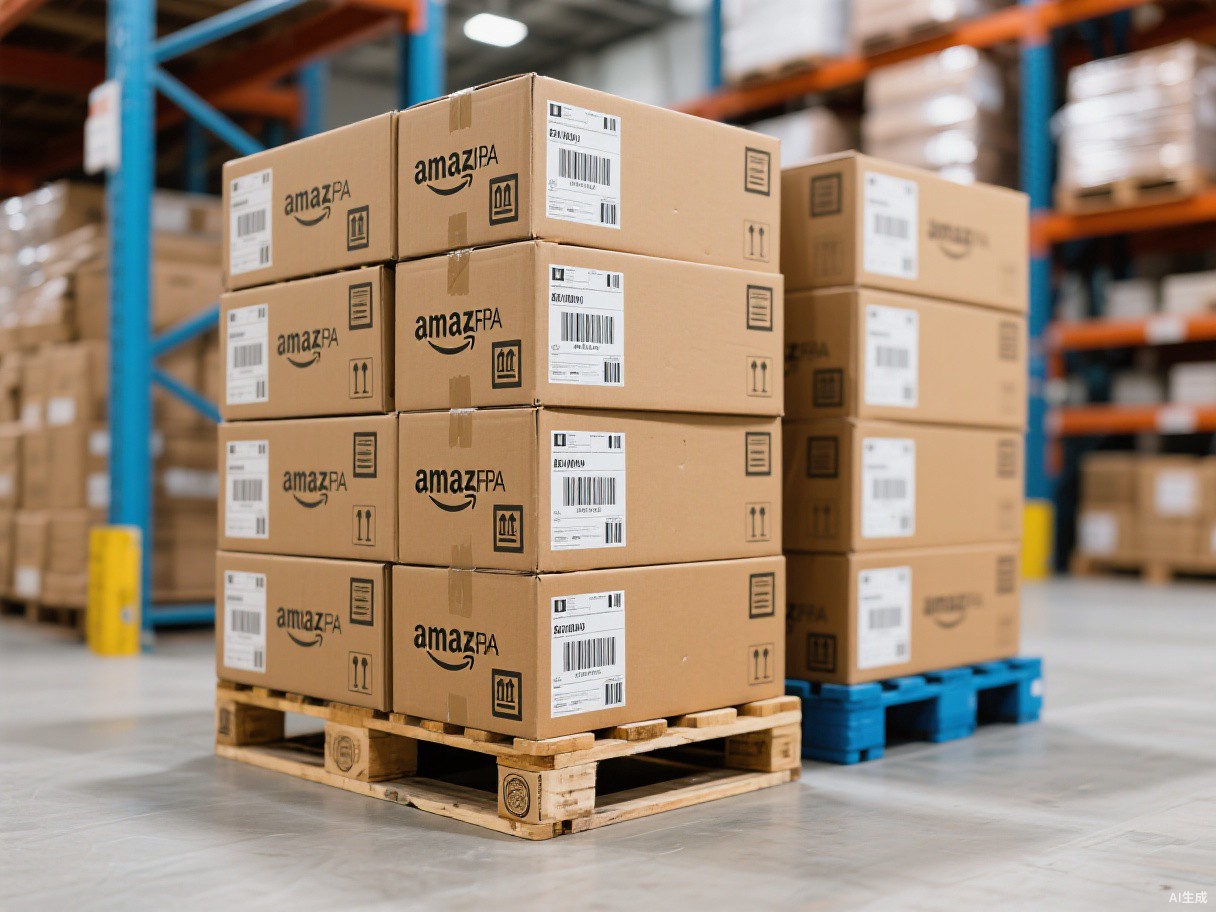
FBA runs on barcodes. Each sellable unit needs a scannable FNSKU label — either printed by the factory onto the shoe box or applied as a sticker — covering any manufacturer UPC. The label must be placed on smooth, flat surface, not across a seam, with a quiet zone around it. Ask the factory for label-placement photos from the first carton before the rest are packed. Each pair should be individually poly-bagged only where required, with a permanent suffocation warning; shoe boxes themselves must carry country-of-origin marking.
Master cartons must respect Amazon's standard fulfillment-center limits: typically no more than 25 inches on any side and a gross weight at or below 50 lb unless the single unit itself exceeds that limit. Any carton over the limit needs a "Team Lift" label. Cartons should be double-wall for heavy footwear, tightly packed so boxes do not shift, and sealed with quality tape rather than staples. Carton labels showing the FBA shipment ID, and an accurate packing list with unit counts per size and color, prevent inbound delays and costly manual processing fees.
Compliance: CPC, ASTM and Required Testing
Footwear compliance on Amazon breaks down by audience and claim. All children's shoes are children's products under CPSIA: they require a Children's Product Certificate supported by CPSC-accepted third-party testing covering lead content, lead in paint and specified phthalates, with the CPC listing the manufacturer, importer, testing laboratory and product. Adult footwear sold without safety claims generally faces fewer mandates, but materials must still meet applicable federal substance rules.
Safety shoes carry the heaviest documentation. Any listing marketing protective features — steel or composite toe, puncture resistance, electrical hazard — should be backed by ASTM F2413 testing from an accredited laboratory, with the standard marked on the shoe where claimed. Sellers targeting EU marketplaces should prepare REACH chemical compliance instead. Work with a factory that can supply material test reports, arrange testing on your exact production batch, and put permanent labels and model identifiers on the shoes; compliance gaps are the fastest way to turn an active listing into a suspended one.
Head-Haul Freight and DDP Terms Explained
"Head haul" is the main China-to-destination freight leg. FBA sellers generally choose between FOB and DDP arrangements. Under FOB you own the shipment from the Chinese port and coordinate a separate freight forwarder; under DDP — delivered duty paid — the forwarder or factory's logistics partner handles pickup, export clearance, ocean or rail freight, US customs entry, duties and final delivery to the FBA warehouse, quoting one all-in price. For first-time sellers, DDP is dramatically simpler and avoids customs bond and importer-of-record mistakes.
Match mode to urgency and cash flow: standard ocean LCL or FCL is cheapest at 30-40 days in transit, plus port and delivery time; expedited ocean or rail cuts around a week; air freight lands in 7-12 days at several times the cost and is justified mainly to rescue a stockout on a proven seller. Always build a buffer of 1-2 weeks around quoted transit, and never route a brand-new ASIN's entire first shipment so tightly that a customs delay creates an immediate stockout.
Using Low MOQ Orders to Test New ASINs
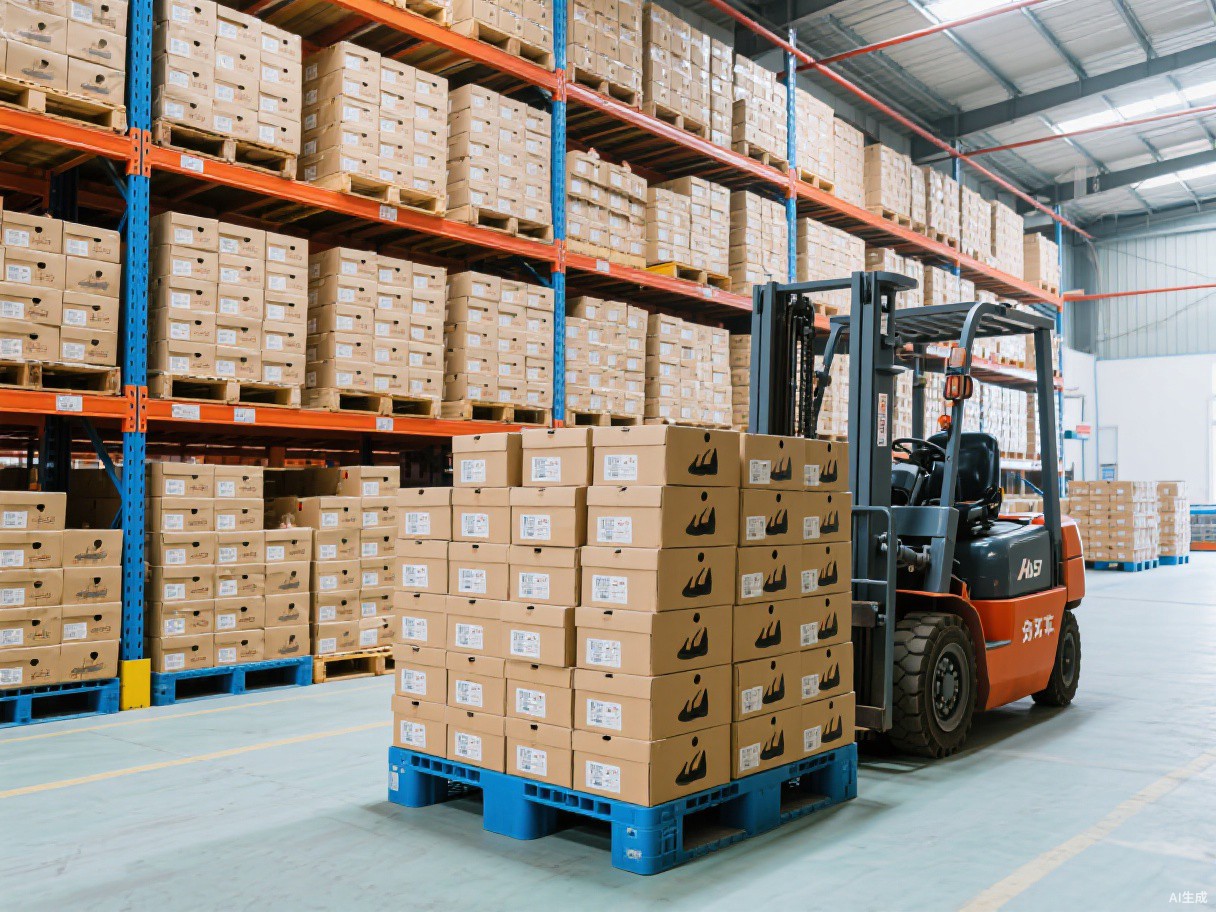
The smartest FBA launches start small. A low MOQ shoe factory in China that accepts 300 pairs per style lets you test one or two colorways with limited capital, gather real reviews and fit feedback, and validate conversion before committing to thousands of pairs. Use existing lasts and outsoles, stocked materials and a stock box with branded stickers to keep the test both cheap and fast.
Structure the test order by size using FBA's expected demand curve rather than equal splits — middle sizes sell fastest and size returns cluster at fit boundaries. Plan the trial around one hero ASIN with one child variation, not a sprawling matrix, so reviews concentrate and advertising learns faster. Once the ASIN holds a stable conversion rate and organic rank, scale to 1,000-3,000 pair reorders with improved packaging and an added colorway.
Inventory Turnover and Reorder Timing
Footwear inventory has three enemies: stockouts that kill keyword ranking, overstock that accrues aged-inventory surcharges after 271 days, and size imbalance that leaves capital stuck in slow sizes. Track weekly sell-through per size and color, and calculate reorder points from total replenishment time: roughly 7-15 days for production confirmation, 25-35 days manufacturing and 30-45 days ocean DDP — meaning a healthy FBA shoe brand places reorders roughly 8-12 weeks before projected stockout.
Aim for 6-9 inventory turns a year rather than shipping one giant container annually. Split shipments where practical: a fast air or expedited batch covers the launch, while the ocean replenishment is already in production. Maintain a simple forecast shared with the factory so it reserves materials and line slots, and use FBA storage limits — tighter for new accounts — as the hard ceiling on every order size.
Advertising Rhythm: Launch, Ramp and Defend
Advertising should follow the inventory curve in three phases. During launch, the first 2-4 weeks, run Sponsored Products on exact, high-intent keywords plus automatic targeting for discovery, accepting a higher ACOS to generate clicks, conversions and the first reviews; Vine enrollment on the hero ASIN accelerates this. During ramp, once conversion is proven, shift budget toward converting search terms, add Sponsored Brands video showing fit and sole detail, and raise bids only as fast as replenishment can cover demand.
During defend, with stable stock and ranking, lower ACOS toward your break-even-plus threshold, bid on your own brand terms to block competitors, and use retargeting and lifestyle creative to expand reach. Critically, pause aggressive campaigns before stock hits roughly three weeks of cover — driving sales into a stockout wastes ad spend and surrenders ranking to competitors, then requires another expensive launch cycle to recover.
Common FBA Footwear Pitfalls to Avoid
- Ignoring size consistency: approve a sealed sample and size chart; size mismatch is the top driver of footwear returns and negative reviews.
- Mislabeled cartons or units: unreadable FNSKU labels and missing shipment IDs create manual-processing fees and stranded inventory.
- Shipping compliance documents late: order CPC or ASTM testing before listing, not after an Amazon documentation request arrives.
- No factory FBA experience: a factory learning FBA prep on your first order causes avoidable carton and marking errors — ask for photos of previous FBA shipments.
- Over-ordering unproven variations: test colorways and sizes with low MOQ before scaling; slow-moving size variants tie up cash for months.
When product, prep, compliance, freight and advertising are coordinated with a factory that understands the FBA workflow, footwear becomes a defensible, repeatable FBA business rather than a series of costly surprises. Start with a low MOQ hero product, document everything, and let sell-through data dictate every reorder.
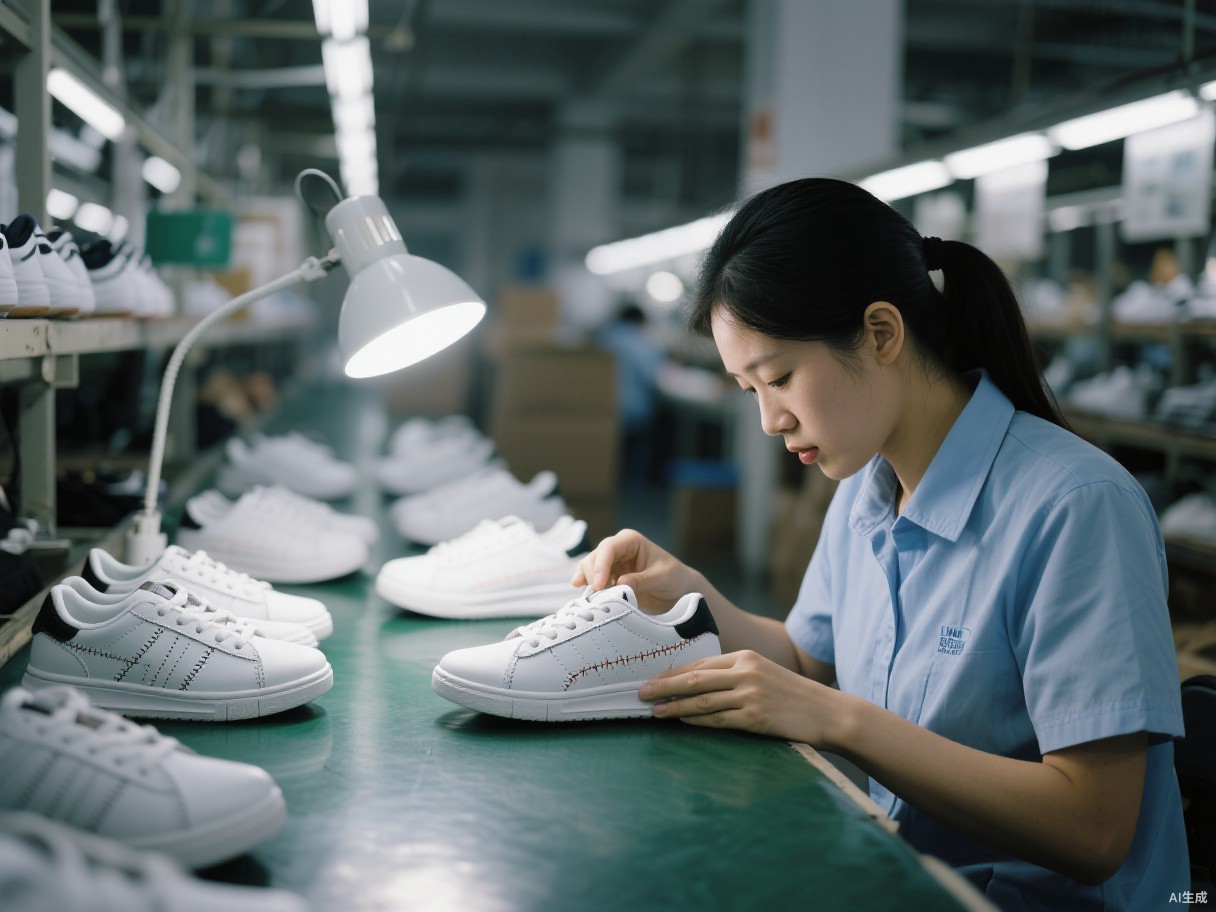
FBA-Ready Footwear from 300 Pairs
FNSKU labeling, FBA carton specs, poly bag warnings, CPC and ASTM test support and DDP shipping to Amazon fulfillment centers. Send your product idea for a 24-hour quotation.
Get a Quote